Last Updated on August 5, 2026 by Christian Heide
Barcelona Strategy WALK: From Industrial Hub to Global City
Barcelona is more than a city – it is a living case study in strategic transformation. This curated walk invites your team to explore how a former industrial hub redefined itself into one of the world’s most recognized global cities.
Purpose
This experience uses Barcelona as a lens on decision-making over time: choices, trade-offs, and execution. It offers leaders a grounded perspective on how strategy unfolds not in theory, but in real environments shaped by constraints and opportunity.
Core Takeaway
Barcelona succeeded not by doing more, but by concentrating on a few transformative bets—and executing them consistently over decades. It transformed by choosing: what to leave behind, what to build, and what to commit to.
This is not a history tour. It is a strategy conversation—set in the streets of a city that chose its future.
Itinerary
We begin at Park Espanya Industrial, where obsolete industrial land was deliberately repurposed into public space. This stop highlights a key decision many organizations face: what legacy assets to retire, and how to convert them into future value. Barcelona chose reinvention over preservation – turning decline into a platform for renewal.
From there, we move to Barcelona Sants Station, a place that embodies a critical strategic choice: prioritizing function over form. Unlike iconic landmarks, Sants was designed for throughput, connectivity, and scale. It sets the tone for the walk – performance over prestige, capability over appearance.
At Plaça Espanya, the city’s evolution is shaped by values as much as by infrastructure. Thus values and identity have always served in the development and positioning of Barcelona. The former bullfighting arena is a great example that highlights the trade-off between tradition and evolving values. Its transformation reflects a broader strategic shift: aligning the city’s physical spaces with changing societal expectations and redefining what Barcelona stands for.
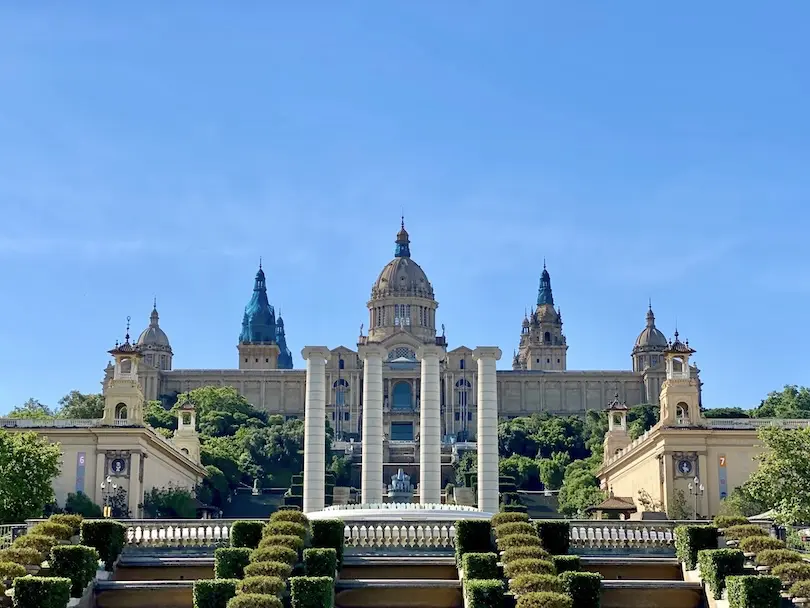
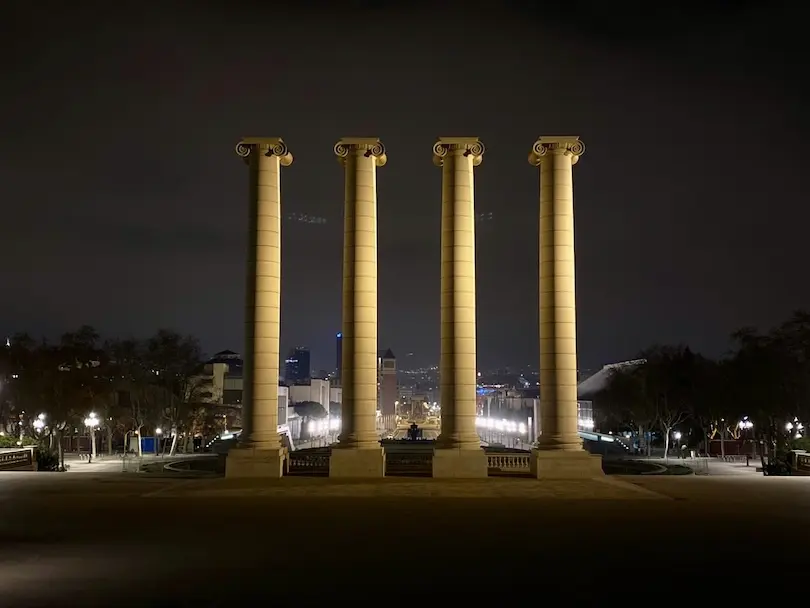
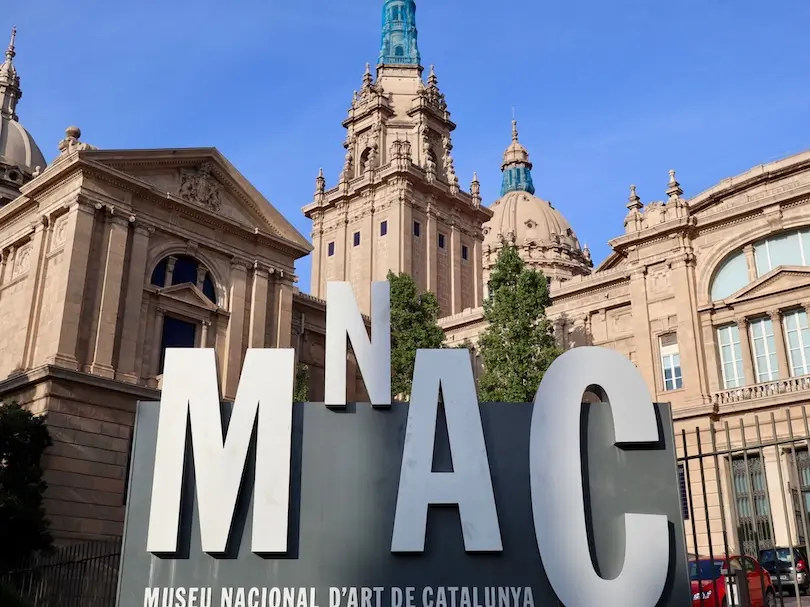
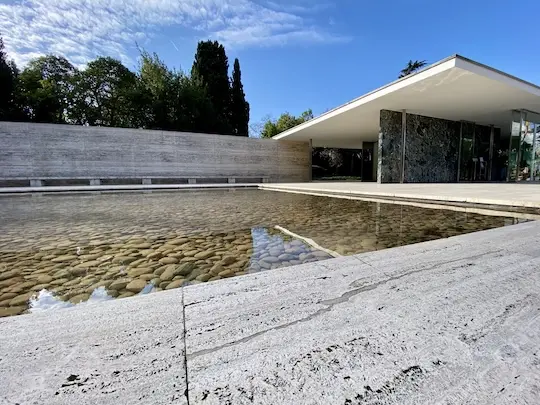
The World Fair of 1929 marks Barcelona’s first major global positioning move. Here, the city made a bold bet: to present itself internationally, investing in visibility, architecture, and narrative. It was an early signal of ambition – a deliberate step beyond its industrial identity.
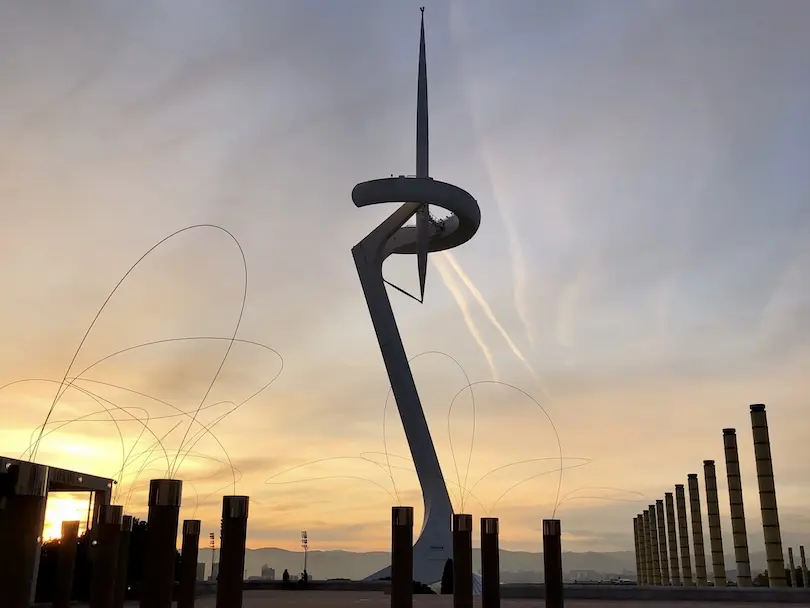
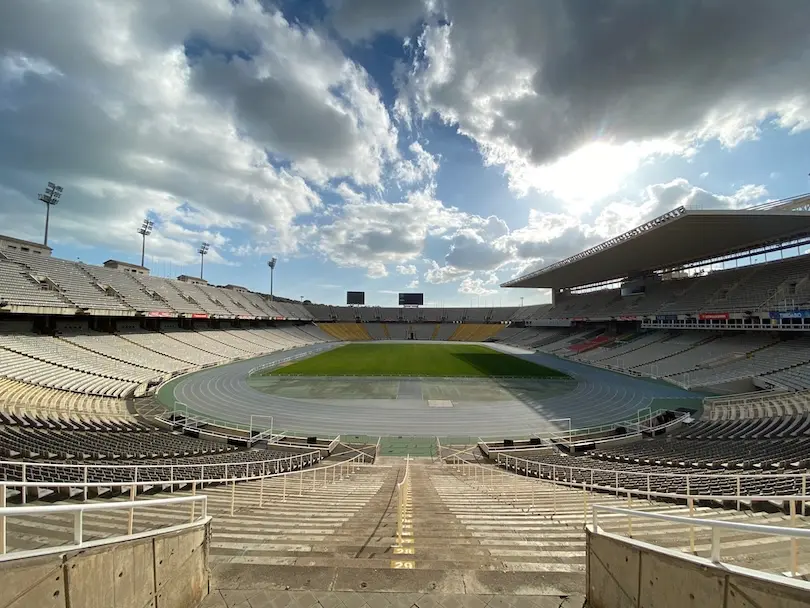
Finally, the Olympic Games of 1992 represent Barcelona’s defining transformation moment. Rather than treating the event as a short-term spectacle, the city used it as a long-term strategic lever- redesigning infrastructure, opening the waterfront, and aligning public and private stakeholders around a shared vision. Execution, not intention, made the difference.
Duration
Starting price per group
Meeting Point: Moxy Hotel Barcelona

Things to know
Cancellation policy
What to bring
Bring comfortable walking shoes for a walk of approx. 2 hours.
In case of rainy weather please bring an umbrella.
It is also advisable to bring water on hot days.
Guest requirements
The maximum size per group is 19 participants.
Other Corporate Experiences
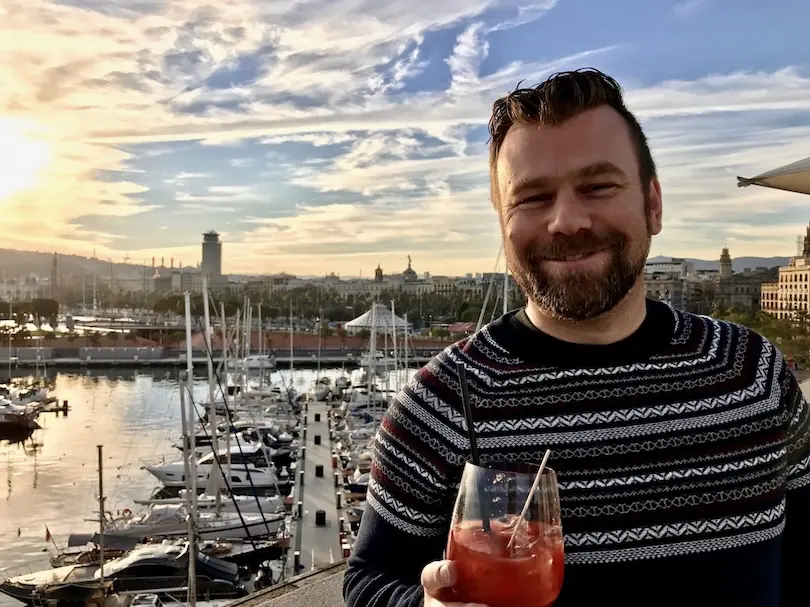
Online Experience: Zoom around panoramic Barcelona
This immersive experience offers a curated “day in Barcelona,” combining insider stories, interactive visuals, and live guidance in a group setting.
Participants explore key cultural and architectural highlights—from local markets and Montjuïc views to Modernist landmarks, seaside dining, and authentic neighborhood traditions.
Designed for engagement and connection, the format is also highly effective as a memorable team-building experience.
Duration: 1.25 hours
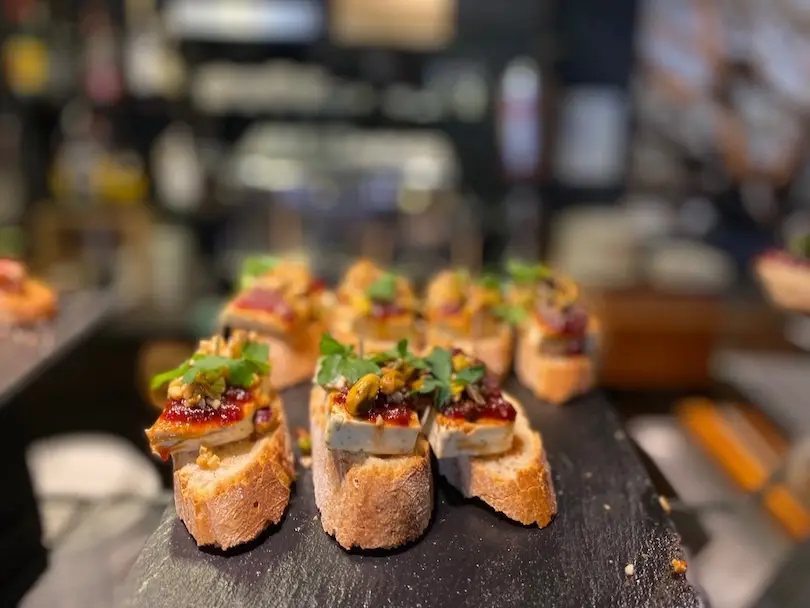
Barcelona History & Food Experience
Discover Spanish food and Barcelona history. As we venture through narrow back alleys and historic squares, we will learn about Barcelona from Roman times to the medieval golden era. With three stops in distinct restaurants we will also show you the broad variety of tapas!
Duration: 3.5 hours