
Last Updated on December 21, 2025 by Christian Heide
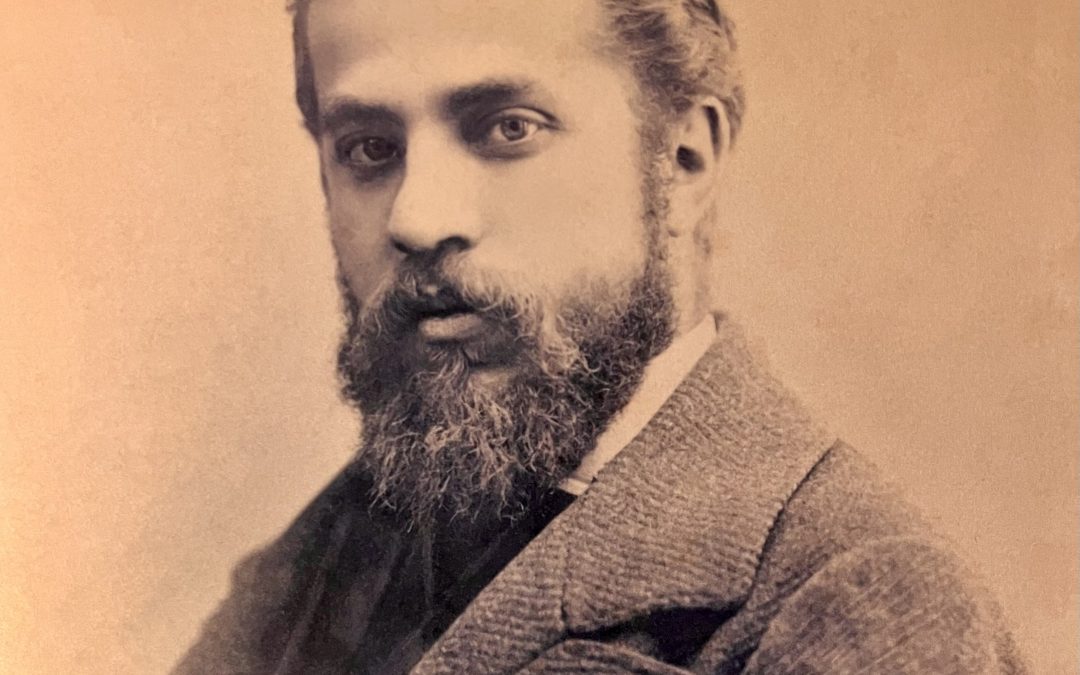
Antoni Gaudí i Cornet (1852–1926) is considered one of the most influential architects of Modernisme. His works continue to shape the cityscape of Barcelona today and have influenced architecture, design, and craftsmanship worldwide. Buildings such as the monumental Sagrada Família, the imaginative Park Güell, and the wave-like Casa Batlló bear his unmistakable signature: organic, symbolic, innovative, and spiritual.
Born on June 25, 1852, in Reus, Gaudí developed a strong interest in nature, geometry, and diverse forms from an early age. Due to his fragile health, he spent a lot of time outdoors, studying plants, bones, snail shells, and mountain formations. These intensive observations of nature became formative for his later architectural thinking.
From 1873 to 1878, Gaudí studied at the School of Architecture in Barcelona. His extraordinary designs already attracted attention during his studies; one professor described him upon graduation as either a potential madman or a genius. After completing smaller projects such as street lamps, furniture, and shop windows, support from the patron Eusebi Güell enabled him to achieve a breakthrough and take on larger architectural projects.
Gaudí’s life was deeply shaped by profound religiosity. In his later years, he lived almost ascetically and, from the 1910s onward, devoted himself exclusively to the Sagrada Família, even living on the construction site. His spirituality is reflected in the symbolic richness of his architecture.
Nature formed the foundation of his style. Columns resemble tree trunks, vaults mimic organic structures, and façades and staircases evoke flowing waves. This was complemented by innovative structural experiments with parabolic arches, hyperbolic surfaces, and hanging chain models. Symbolism permeates every detail of his works – from biblical narratives in the Sagrada Família to mythological motifs in Park Güell. Through the use of trencadís mosaics, natural stone, and artistic wrought iron, as well as holistic design, natural lighting, and sustainable materials, Gaudí created an architecture that uniquely combines tradition and modernity.
The Most Important Buildings by Antoni Gaudí
Sagrada Família (1883–1926, still under construction)
The Sagrada Família is Gaudí’s life’s work and a unique fusion of architecture, engineering, and spirituality. Three monumental façades depict the Birth, Passion, and Resurrection of Christ, while 18 towers symbolize the Holy Family. The sophisticated lighting concept transforms the interior throughout the day into a colorful interplay of glass and stone. Gaudí used hanging chain models to develop optimal structural forms.
Visitor Tip: Be sure to book tickets online and visit the church early in the morning or late in the afternoon.

Park Güell (1900–1914)
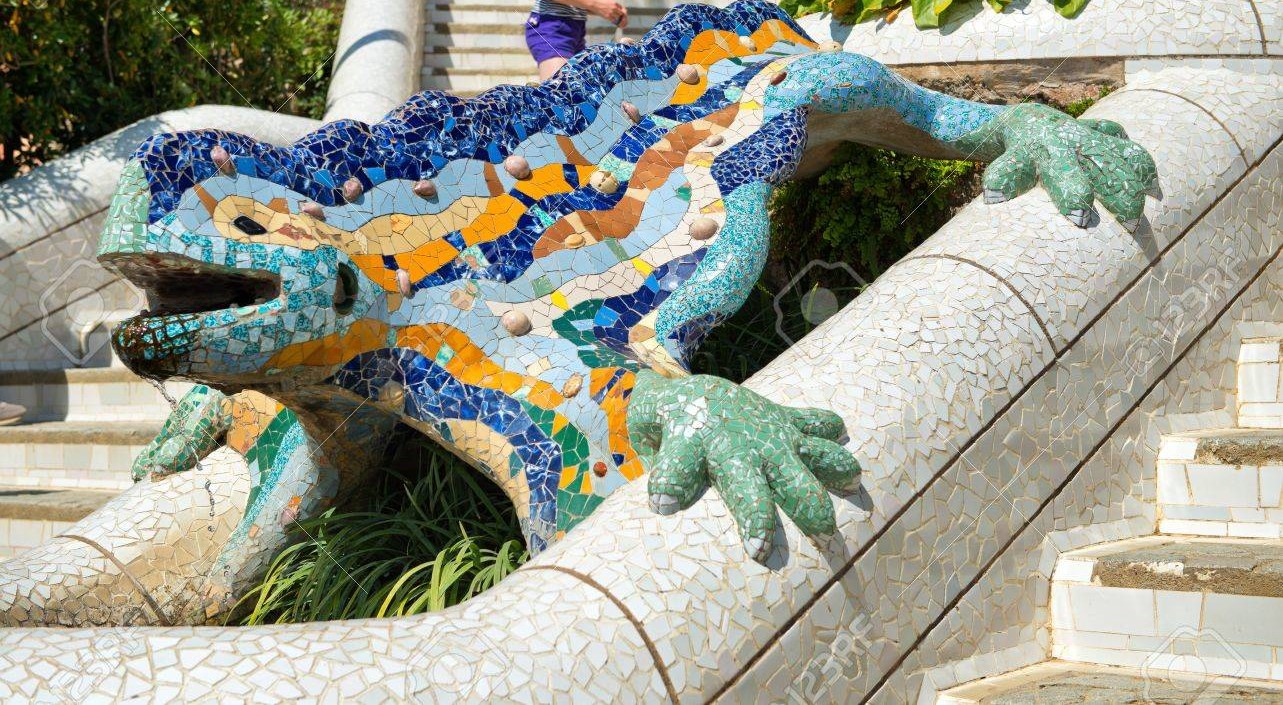
Park Güell combines architecture and landscape into a whimsical unity. It is famous for its curved mosaic benches, the colorful salamander “El Drac,” and the organic integration of buildings into the hilly terrain. The park reflects Gaudí’s vision of a harmonious relationship between humans and nature.
Visitor Tip: Arrive early for quiet photos and to enjoy the panoramic view over Barcelona.
Casa Batlló (1904–1906)
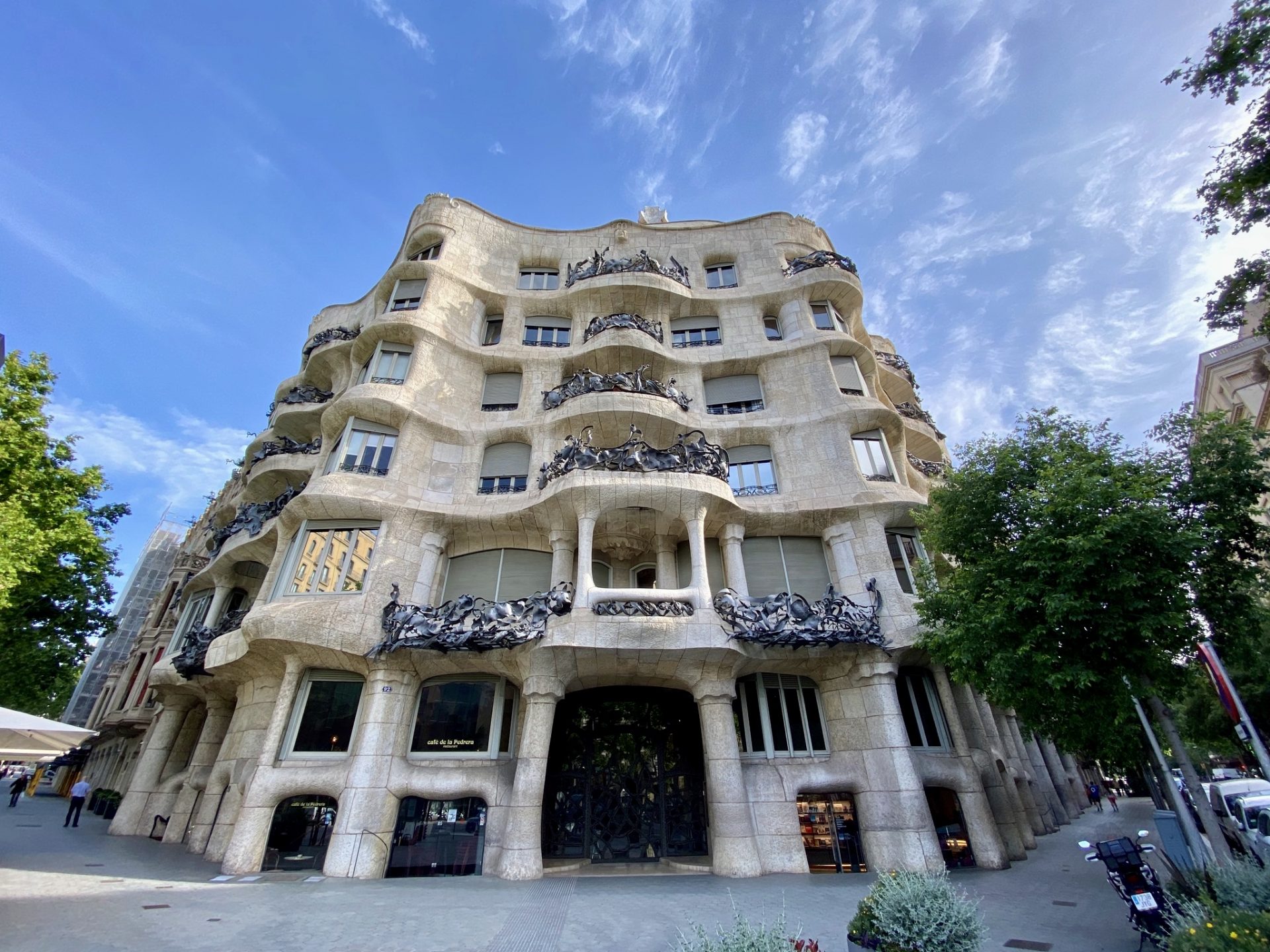
Casa Batlló is considered Gaudí’s most poetic residential building. Its undulating façade evokes the marine world, while colors and shapes create a lively play of light and movement. The roof is often interpreted as a dragon – a reference to the legend of Saint George.
Visitor Tip: The evening light and sound show offers an especially immersive experience.

Casa Milà – La Pedrera (1906–1912)
With Casa Milà, Gaudí created a radically modern residential building. Flexible floor plans, self-supporting façades, and elaborate wrought-iron work characterize the structure. It is especially famous for its sculptural rooftop terrace with chimney-like figures.
Visitor tip: From the rooftop terrace, you can take impressive panoramic photos; evening tours are particularly atmospheric.
Palau Güell (1886–1890)
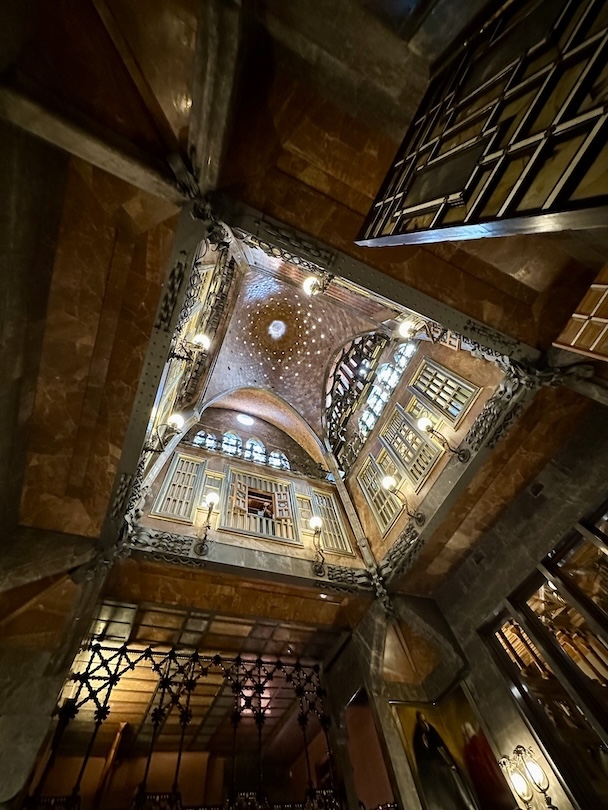
Palau Güell is one of Gaudí’s early masterpieces and showcases his love of detail and craftsmanship. At its center is a tall stair hall that dramatically stages light and space. The colorful rooftop domes and chimneys are richly decorated.
Visitor tip: A comparatively quiet spot – taking a guided tour is worthwhile to discover the many details.
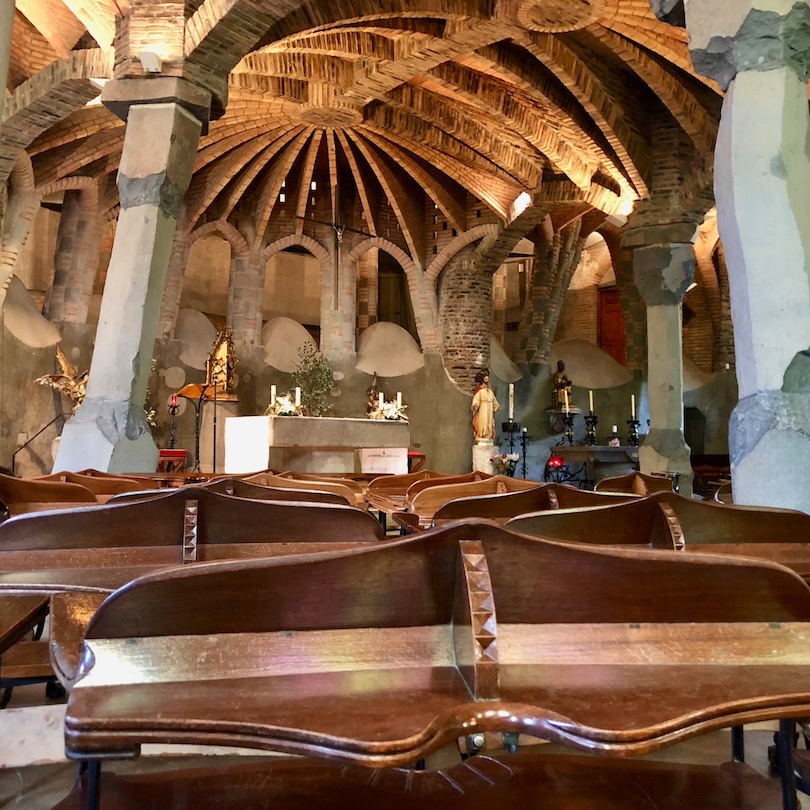
Colònia Güell & Crypt (1898–1915)
The crypt of the Colònia Güell served Gaudí as an architectural experimental field. Inclined columns, asymmetrical vaults, and innovative materials already foreshadow the Sagrada Família. The building demonstrates Gaudí’s courage to experiment and his studies in structural engineering.
Visitor tip: The site is located outside Barcelona; a guided tour helps in understanding the construction.
Other Works
Among Gaudí’s other important buildings are Casa Calvet, the Neo-Gothic residential building Torre Bellesguard, the summer residence Casa Vicens, and the Finca Güell with its famous Dragon Gate. They complement his overall body of work and illustrate the diversity of his architectural language.


Gaudí’s Influence Today
Gaudí’s influence is still felt worldwide today and extends far beyond the architecture of Barcelona. His organic formal language, inspired by structures found in nature, continues to inspire modern architects on all continents. Buildings that appear to have grown naturally, feature flowing lines, and combine function with aesthetics take up central ideas of Gaudí and translate them into contemporary architecture.
Gaudí was also ahead of his time in the fields of material innovation and sustainability. The conscious use of local materials, recycling techniques such as trencadís mosaic, and natural lighting and ventilation concepts are today regarded as important foundations of sustainable construction.
His principle of the Gesamtkunstwerk – in which architecture, interior design, furniture, and decoration form a unified whole -continues to influence design, interior architecture, and product design to this day. Last but not least, Gaudí has made Barcelona an international tourism and cultural center. Millions of visitors come each year to experience his works, which have become the city’s unmistakable hallmark.
Practical Visitor Tips
With good planning, visiting Antoni Gaudí’s works can be a far more relaxed and rewarding experience. Tickets and opening hours should be arranged in advance whenever possible, as many sights are very popular. Online tickets save time, and combination tickets allow access to several buildings at a reduced price. Early-morning or late visiting times not only mean fewer crowds but also offer particularly beautiful lighting conditions for sightseeing and photography.
Insider tips include visiting the main terrace of Park Güell early, before large tour groups arrive. Casa Batlló reveals a very special atmosphere in the evening during its light and sound show (Magic Nights). Those seeking a quieter experience should plan visits to Torre Bellesguard or the Colònia Güell outside the city center. Especially rewarding for photography are rooftop terraces, staircases, and façade details.
Getting around Barcelona is easy: many of Gaudí’s buildings are centrally located or well connected by public transport. Passeig de Gràcia links Casa Batlló and Casa Milà.
The Barcelona Feeling helps visitors better understand symbolism and history during the two-hour German-language city tour “Gaudí and Barcelona Legends.”
FAQ – Frequently Asked Questions
Which buildings are UNESCO World Heritage Sites?
The works of Antoni Gaudí listed as UNESCO World Heritage Sites include the Sagrada Família, Park Güell, Casa Batlló, Casa Milà (La Pedrera), Palau Güell, Casa Vicens, the Crypt of the Colònia Güell, and Casa Calvet. They are considered outstanding examples of Modernisme and of Gaudí’s unique architectural language.
How long will it take to complete the Sagrada Família?
Construction of the Sagrada Família began in 1882. Completion of the highest tower is planned for 2026, to coincide with the 100th anniversary of Gaudí’s death, although major work will continue beyond that date.
Can all of Gaudí’s works be visited?
Most of his works can be visited. However, some buildings are privately used or accessible only as part of guided tours.
How long do I need to book Sagrada Familia in advance?
Sagrada Família is easily sold out three weeks in advance. Thus, book early on. However, their booking calendar only offers tickets up to two months prior to a visit.
Conclusion
Antoni Gaudí was a visionary whose works combine nature, symbolism, innovation, and art into unique architectural creations. Barcelona without Gaudí is unthinkable—his architecture is still admired worldwide and continues to inspire. Visiting his buildings offers insight into a world of creativity, engineering, and spirituality that remains fascinating to this day.