Last Updated on September 4, 2026 by Christian Heide
After many years we came back to the Botanical Garden in spring 2026. As we had family visit it was a great moment to see the garden in full spring. Living close to Montjuïc and Plaça d`Espanya it was a pleasant walk crossing the area of the World Fair of 1929 and taking the escalators to the MNAC museum on top. Here we enjoyed the amazing views before we continued crossing the Olympic Ring. Just behind the Olympic Stadium you will find the entrance to the Botanical Garden. Our second visit to the Botanical Garden was even better than we remembered from ten years ago.
A Garden with Roots
The garden might seem young, officially opening in 1999, but its story starts much earlier. Back in the late 1800s, Barcelona’s botanists and city planners dreamed of a place where people could learn about and preserve the region’s plants. The idea simmered for decades, gaining real traction in the 1930s, but it wasn’t until the late 20th century that the vision finally took shape. The city wanted more than just a pretty garden; they wanted a space that could teach, inspire, and protect the incredible diversity of Mediterranean plants. And that’s exactly what they built.
Where to Find It
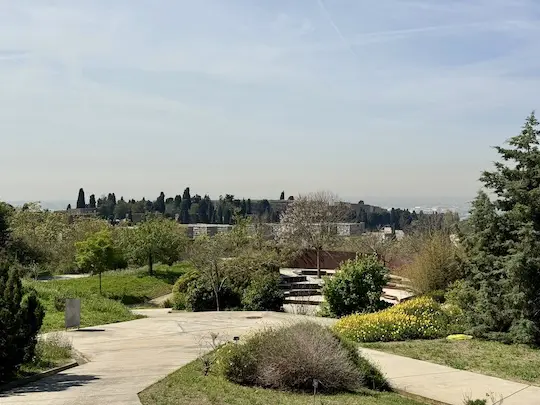
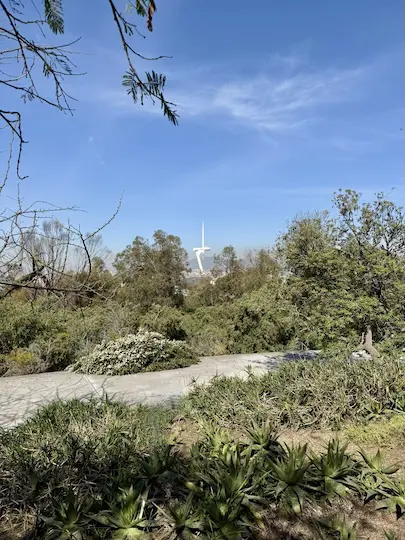
Tucked away on the slopes of Montjuïc, the garden is a bit of a climb, but trust me, it’s worth it. The location isn’t just practical – it’s poetic. From up there, you get these stunning views of Barcelona stretching out toward the sea, a reminder of how the city sits between the mountains and the Mediterranean. It’s easy to get to, too. You can take the cable car, hop on a bus, or even walk if you’re up for it. Once you’re there, you’ll feel like you’ve stepped into a different world, far from the crowded streets below.

A Walk Through the Garden
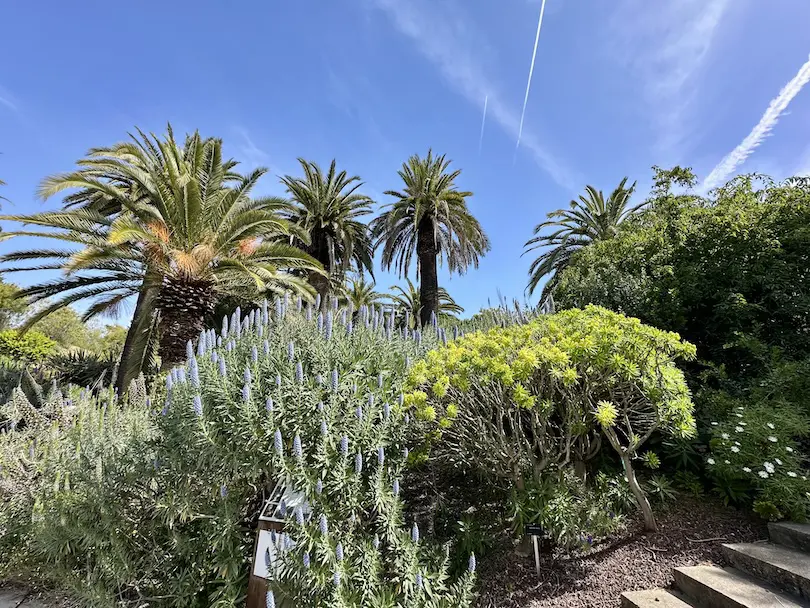
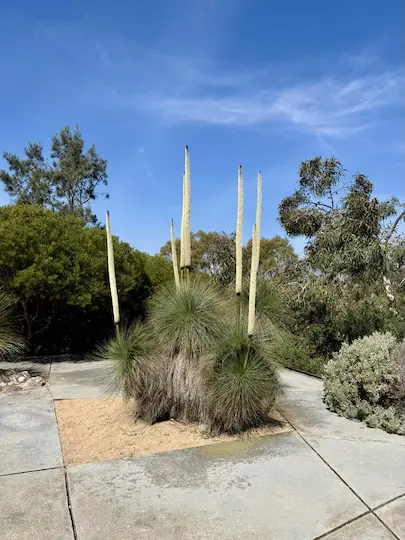
What we love most about the Jardi Botànic is how it is organized. It’s not just a random collection of plants – it’s a journey. The garden is divided into sections, each representing a different part of the world with a Mediterranean climate. There’s the Australian section, with its eucalyptus trees and unique shrubs, and the South African garden, bursting with colorful proteas and aloes. Then there’s the Chilean garden, filled with plants that look like they’re straight out of a desert, and the Californian section, where the scent of sagebrush fills the air.
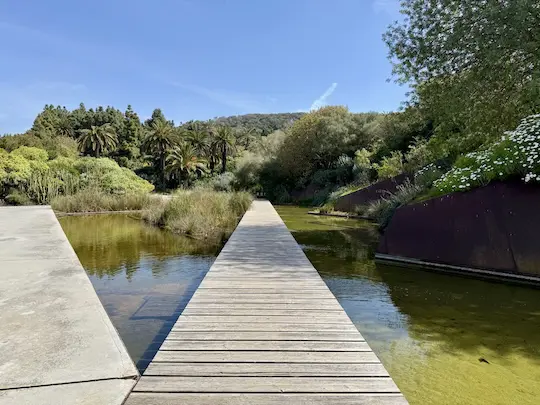
But the heart of the garden is the Mediterranean Basin section. This is where you will find the plants that have shaped the landscape and culture of Catalonia and the broader Mediterranean. Olive trees, lavender, rosemary – these aren’t just plants; they’re symbols of the region’s history, cuisine, and way of life. The garden’s design is thoughtful, too. The paths wind naturally through the landscape, and the irrigation systems are designed to use as little water as possible, a nod to the harsh, dry summers these plants have adapted to.


Why It Matters
The Jardi Botànic isn’t just a nice place to visit. It is a vital part of Barcelona’s identity. For scientists and researchers, it’s a living laboratory, a place to study and protect plants that might otherwise disappear. For students, it’s an outdoor classroom where they can learn about ecology and conservation hands-on. And for the rest of us, it’s a reminder of how important green spaces are in a city. Barcelona can get hot, crowded, and noisy, but places like this offer a breath of fresh air – literally and figuratively.
The garden also plays a role in the city’s fight against climate change. By preserving native plants and promoting biodiversity, it helps keep Barcelona’s air cleaner and its environment healthier. But maybe more than anything, it’s a place that connects people to nature. In a world where we’re increasingly disconnected from the natural world, spaces like this remind us of the beauty and resilience of the plants that have shaped our landscapes and our lives.


Final Thoughts
If you ever find yourself in Barcelona, do yourself a favor and take a few hours to visit the Jardi Botànic. It’s not as famous as the Sagrada Família or Park Güell, but that’s part of its charm. It’s a quiet, peaceful place where you can slow down, take in the views, and maybe even learn something new. And who knows? You might just leave with a new appreciation for the plants that make the Mediterranean so special.
Getting There
Reaching the Jardi Botànic is straightforward, and there are several ways to make the journey. If you’re up for a bit of exercise, you can walk up the winding paths of Montjuïc from Plaça d’Espanya or the Montjuïc Funicular. The climb is scenic, and you’ll be rewarded with panoramic views as you ascend.
For those who prefer public transport, the Montjuïc Cable Car (Telefèric de Montjuïc) is a popular and picturesque option. You can board the cable car from the Montjuïc Park station (near the funicular) or from the castle end, and it will drop you off just a short walk from the garden’s entrance. Alternatively, bus lines 107, 150, and 55 all stop near the garden, making it easily accessible from various parts of the city.
If you’re driving, there is limited parking available near the garden, but it’s worth noting that parking on Montjuïc can be challenging, especially during peak tourist seasons.
Admission and Practical Tips
The Jardi Botànic de Barcelona is open year-round, but hours vary by season. Generally, it opens at 10:00 AM and closes between 5:00 PM and 7:00 PM, depending on the time of year. It’s always a good idea to check the official website for the most up-to-date information before planning your visit.
Admission is affordable, with tickets typically costing around €5 for adults, and discounts available for students, seniors, and children. Entry is free on the first Sunday of each month, as well as on certain public holidays, making it a great option for budget-conscious visitors.
A few practical tips to make the most of your visit:
- Wear comfortable shoes: The garden is built on a slope, and the paths can be uneven in places.
- Bring water and sunscreen: Barcelona can get hot, especially in the summer, and there’s limited shade in some areas.
- Take your time: The garden is designed to be explored at a leisurely pace. Allow at least 1.5 to 2 hours to fully enjoy all the sections.
- Visit in the morning or late afternoon: These times are less crowded and more comfortable for walking.
- Combine with other attractions: Since the garden is on Montjuïc, consider pairing your visit with nearby sites like the Montjuïc Castle, Poble Espanyol, or the Magic Fountain (if visiting in the evening).